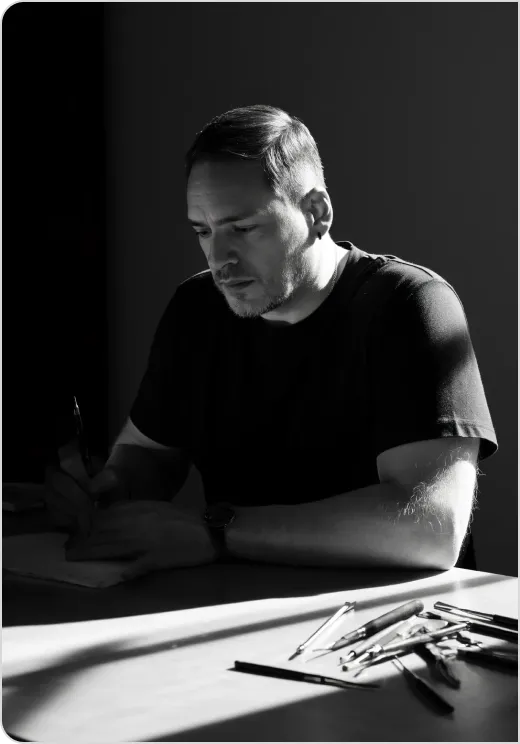
 By Antonio De Rosa, ADR Studio.
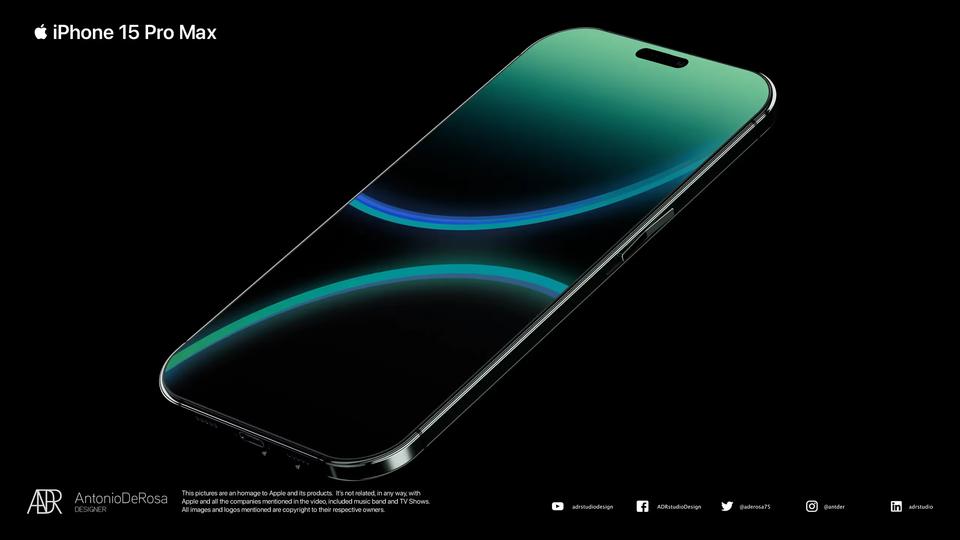
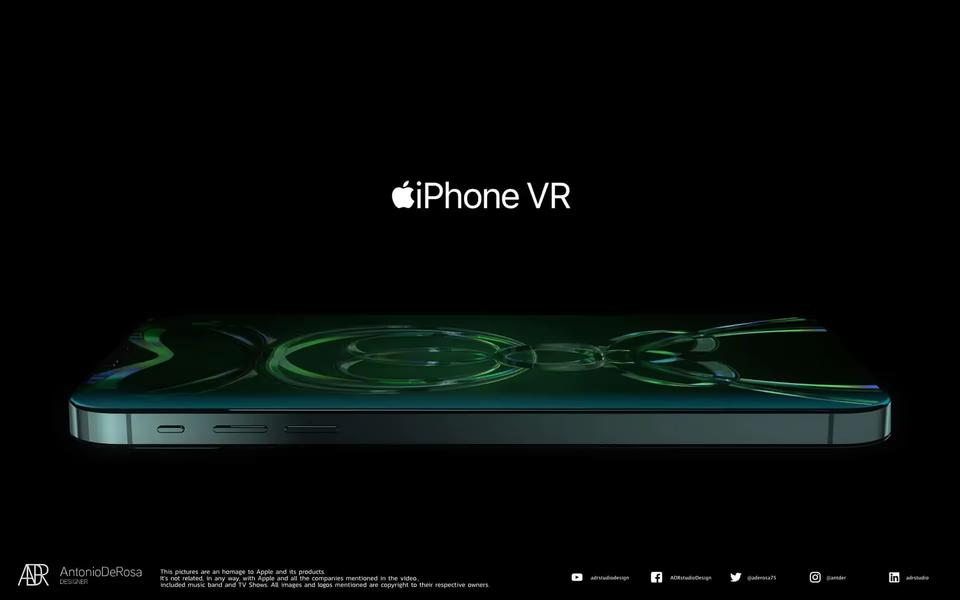
ADR Studio’s iPhone 15 Pro Max concept is a 2023 exploration of how camera hardware, physical controls and connectivity could reshape smartphone interaction. It brings those possibilities together through refined industrial design, rather than simply translating industry rumours into a device.
This is a concept, not a released Apple product. Its value lies in the questions it makes visible: what could change when a phone offers different ways to capture, control and connect?
What shaped the iPhone 15 Pro Max concept?
The starting point was an intention to move beyond expected specifications and familiar interpretations of the next iPhone. Our exploration focused on the relationship between power, control and interaction.
The proposed features included a variable main camera system, a periscope lens, multifunction butterfly buttons, Thunderbolt 4, dual pro flash and SIM-less operation. M1-level performance formed part of that ambition. These were design propositions, not verified capabilities of a manufactured device.
Read as a showreel, the project moves from that central idea towards the complete object. Each feature becomes a way to examine the design, before the view returns to the device as a whole.
Where does the design story begin?
Everything starts from a dot. Here, that dot is a question: how could familiar smartphone elements support different forms of interaction without losing an elegant form?
That question gives the story its structure. Instead of treating the exterior as a shell for a feature list, we can read the concept through the relationships between its parts. The camera concerns image-making. The buttons concern physical control. Connectivity concerns what the device can work with beyond itself.
This is not a documented account of individual sketches or modelling stages. It is a presentation of the design thinking expressed in the finished concept. The distinction matters: a compelling design story should not need an invented workshop history.
The narrative follows four connected subjects:
- Capture. Reconsider the camera system and its photographic possibilities.
- Control. Explore multifunction physical inputs.
- Connection. Place high-speed connectivity alongside the performance ambition.
- Form. Bring those propositions into a coherent industrial design.
How does the camera system frame the concept?
The camera provides a clear entry point. A variable main camera system, periscope lens and dual pro flash make photography a substantial part of the proposal, rather than a secondary specification.
In a showreel-style reading, this is where attention narrows. The whole device gives way to one functional area. The question is no longer only what the phone looks like, but what its photographic hardware suggests about using it.
The project information does not establish the mechanics of the variable system or measured photographic performance. We therefore treat it as an exploration of possibility. Its role is to broaden the design conversation around the main camera, not to promise a particular result.
The same discipline applies to the periscope lens and dual pro flash. They belong to the proposed photographic system. Together, they express an interest in giving image-making more scope within the device’s overall design.
Why explore multifunction butterfly buttons?
The multifunction butterfly buttons shift the story from capture to control. They ask a direct question: could a physical input do more without making the object feel more complicated?
Their importance is not limited to their appearance. As a concept feature, they introduce another way to think about the relationship between a hand, a device and an action. Physical controls become part of the interaction idea, rather than simply familiar elements to retain.
No specific button mappings, gestures or tested usability outcomes are established in the project information. Assigning them would turn a design proposition into an unsupported product claim.
What we can say is that multifunction input was a deliberate area of exploration. The butterfly buttons make that ambition visible. In the narrative, they provide the transition from what the camera could offer to how someone might control the device.
How do connectivity and performance fit the story?
Thunderbolt 4, SIM-less operation and M1-level performance extend the concept beyond its visible controls. They address connection, configuration and computing ambition.
These elements are less immediately expressive than a camera assembly or a button. Yet they matter to the overall proposition. A phone is not only an object to look at or hold. It also belongs to a wider set of devices, connections and tasks.
Thunderbolt 4 introduces high-speed connectivity into that picture. SIM-less operation reconsiders a familiar hardware convention. M1-level performance sets an ambitious reference point for the proposed device, without establishing benchmark results or confirming a production processor.
Presented together, these ideas help explain the concept’s scope. It is not solely a study of exterior styling. It considers how hardware choices could support a different relationship between mobile power and user control.
What brings the finished concept together?
The final part of the story returns to the complete device. Camera, controls and connectivity need to be understood together, not left as separate moments in a presentation.
This is where the craft of industrial design becomes central. The brief called for new hardware ideas while maintaining elegant form language. The task was therefore a balancing act: give the functional propositions presence without letting the object become only a collection of features.
Systems, not styles. That principle offers a useful reading of the project. The finished concept ties advanced photographic possibilities, multifunction inputs and performance ambition to one refined form.
Its contribution is exploratory. It makes alternative directions tangible enough to consider and discuss. The showreel ends with the object, but the design question remains open: which changes would make interaction more meaningful, rather than merely different?
Key takeaways.
- ADR Studio’s 2023 concept moved beyond rumour interpretation to explore power, control and interaction.
- The variable main camera system, periscope lens and dual pro flash placed photography at the centre of the proposal.
- Multifunction butterfly buttons explored physical input as an active design opportunity.
- Thunderbolt 4, SIM-less operation and M1-level performance were concept propositions, not verified production capabilities.
FAQ.
Is this an official Apple iPhone 15 Pro Max?
No. This is ADR Studio’s 2023 iPhone 15 Pro Max concept. It should be understood as an independent design exploration, not as an official Apple product or a description of the released phone.
What features does the concept propose?
The proposal includes a variable main camera system, periscope lens, multifunction butterfly buttons, Thunderbolt 4, dual pro flash, SIM-less operation and M1-level performance, brought together through refined industrial design.
Does this story document a sketch-to-production process?
No. It presents the thinking expressed in the concept through a showreel-style narrative. It does not claim documented sketch stages, physical prototypes, manufacturing validation or measured performance results.