 By Antonio De Rosa, ADR Studio.
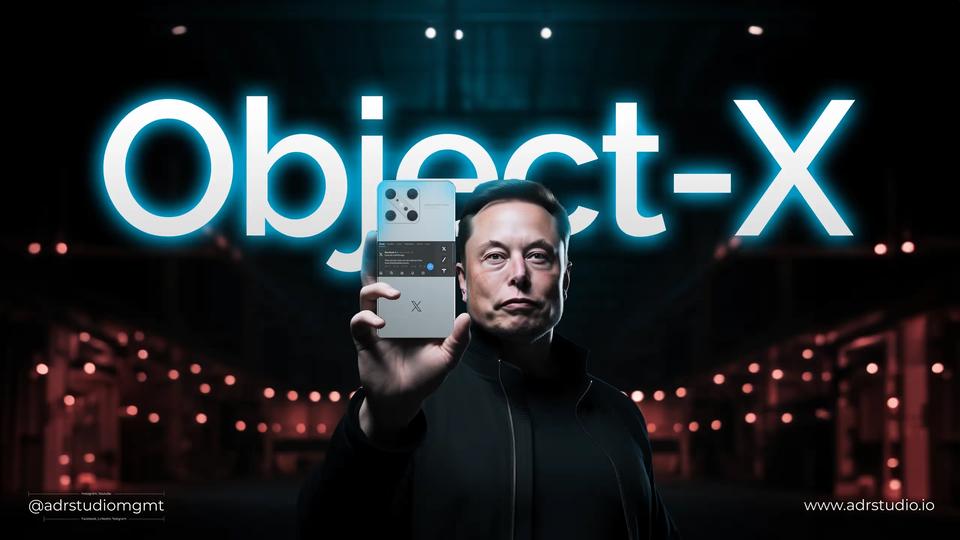
Object-X is an experimental smartphone concept by ADR Studio that brings asymmetric form, embedded AI and satellite connectivity into one speculative device. Created for Concept by ADR Studio in 2024, it explores how a phone could express an imagined X ecosystem through its physical design.
What shaped this experimental smartphone concept?
The starting point was a proposition: imagine a next-generation smartphone inspired by the technological vision of Elon Musk and the bold identity of the X ecosystem. The brief brought together an unconventional silhouette, future-facing hardware and deep integration with that imagined environment.
That gave the concept two connected tasks. It needed a distinct physical presence. It also needed to suggest how displays, optics, controls and connectivity could belong to the same product idea, rather than appear as separate features.
Object-X responds through brutalist elegance: asymmetric industrial forms, carbon and steel construction, and a single multifunctional control button. Its character comes from the relationship between those elements. The design is speculative, so its value lies in the questions it makes visible, not in claims of production readiness.
How does the design story move from idea to form?
Read as a showreel, the story begins with the outline. Before the materials or interfaces come into focus, the asymmetric form establishes a departure from the familiar phone rectangle. It is the first clear expression of the brief.
The narrative then moves from silhouette to structure. Carbon and steel give the concept a material direction. The two displays introduce a different relationship between front and back. The camera system and control button bring the story closer to the points where a person would interact with the object.
This sequence offers a way to understand the design without treating the finished image as the whole project. Each layer answers a different question: what is the object, what gives it character, and what does it propose to do?
Everything starts from a dot. Here, the central idea is a phone whose form, intelligence and connection to an ecosystem are considered together. The presentation can be read as an expansion of that idea, from an overall gesture to individual details.
Why give Object-X an asymmetric form?
Asymmetry is central to the concept, not an incidental surface treatment. It creates visual tension and gives the object a recognisable direction. For a project inspired by the identity of X, that departure from convention helps carry the premise into the hardware.
The brief pairs that form with utility. This matters because an unusual silhouette alone would tell only part of the story. Object-X also proposes two screens, AI-powered optics, satellite connectivity and one multifunctional physical control.
The design can therefore be read at two scales. At a distance, its outline communicates the ambition of the concept. Closer in, the arrangement of functions gives that ambition something concrete to discuss. The task is not simply to make a phone look unfamiliar. It is to explore whether a different arrangement can support a coherent product idea.
What does the hardware concept bring together?
The proposed specification gives the presentation its structure. Each element contributes to the imagined relationship between the device and the X ecosystem:
- A 6.9-inch main screen. The primary display anchors the concept in a familiar smartphone format.
- A dedicated 3.3-inch X-app back display. A second screen gives the rear face a role beyond its material surface and cameras.
- Carbon and steel construction. The material brief combines resilience and low weight with a defined industrial character.
- A quad-camera system with Grok AI. The optics place embedded intelligence within the proposed imaging experience.
- Native SpaceLink connectivity. Satellite connection forms part of the concept’s imagined hardware proposition.
- A single multifunctional control button. One physical control concentrates multiple functions into a single point of interaction.
These are concept features, not verified product capabilities. Grok AI and SpaceLink belong to the speculative proposition described by the project. The presentation does not establish their technical implementation or measured performance.
How do materials and details carry the idea?
Carbon and steel are part of the design argument. Their inclusion connects the desired industrial expression with the brief for resilient, lightweight materials. The contrast also gives the concept a material vocabulary beyond the shape of its enclosure.
The craft question is how to keep that vocabulary coherent. Asymmetric forms, two displays and a quad-camera system all demand attention. A useful way to read the finished concept is to look at how those elements contribute to one object, rather than assess each as an isolated visual feature.
The single multifunctional button offers a counterpoint to that complexity. It proposes a concentrated physical interaction within a device carrying several ambitious functions. Whether that interaction would be clear in use would require further development and testing; the concept establishes the direction, not the answer.
Systems, not styles. That principle is a useful lens here. The material choices, display arrangement and control idea matter because of their relationships. A making-of narrative should bring those relationships forward, rather than rely only on the final reveal.
What does the finished concept ask us to consider?
Object-X imagines a phone shaped by an ecosystem from the outset. The dedicated rear display, AI-powered optics and satellite connectivity extend the brief beyond appearance. They ask how a connected service environment might influence the physical object that carries it.
That is the purpose of this speculative study. It makes an ambition visible and gives it a form that can be examined. The finished concept is a tribute to next-generation ambition, while leaving engineering, usability and delivery as questions for any further development.
Key takeaways.
- Object-X is a 2024 experimental phone concept by ADR Studio, inspired by Elon Musk’s technological vision and the X ecosystem.
- Its design story connects an asymmetric outline with carbon and steel, dual displays and a single multifunctional button.
- Grok AI optics and native SpaceLink connectivity are proposed concept features, not demonstrated technical results.
- The project explores how form, AI and connectivity could be considered as one product proposition.
FAQ.
Is Object-X a production smartphone?
No. Object-X is a bold, speculative design created for Concept by ADR Studio in 2024. It presents an imagined device rather than a production-ready phone.
What are the two Object-X displays for?
The concept specifies a 6.9-inch main screen and a dedicated 3.3-inch X-app back display. Detailed interface behaviour and additional rear-screen uses are not specified in the project description.
How is Object-X connected to Elon Musk and X?
The project draws inspiration from Elon Musk’s technological vision and the identity of the X ecosystem. That inspiration should not be read as a claim of official collaboration or endorsement.