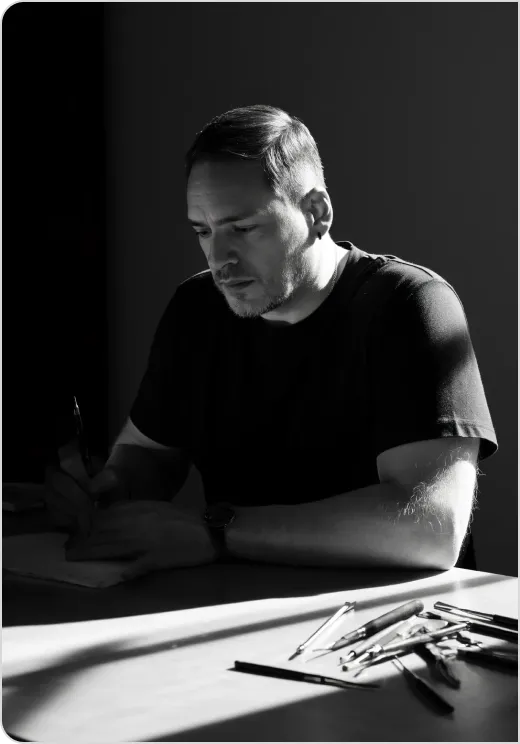
 By Antonio De Rosa, ADR Studio.
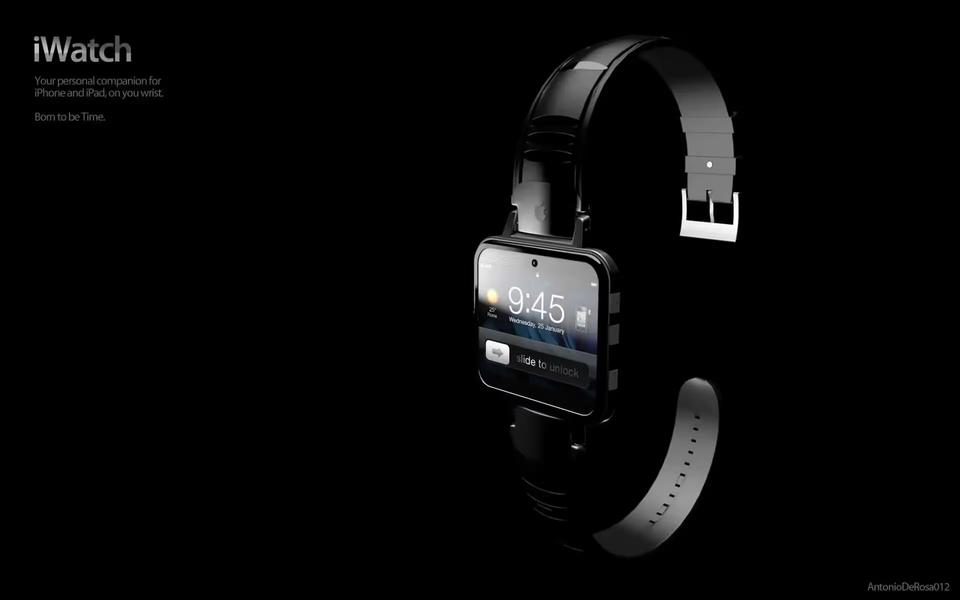
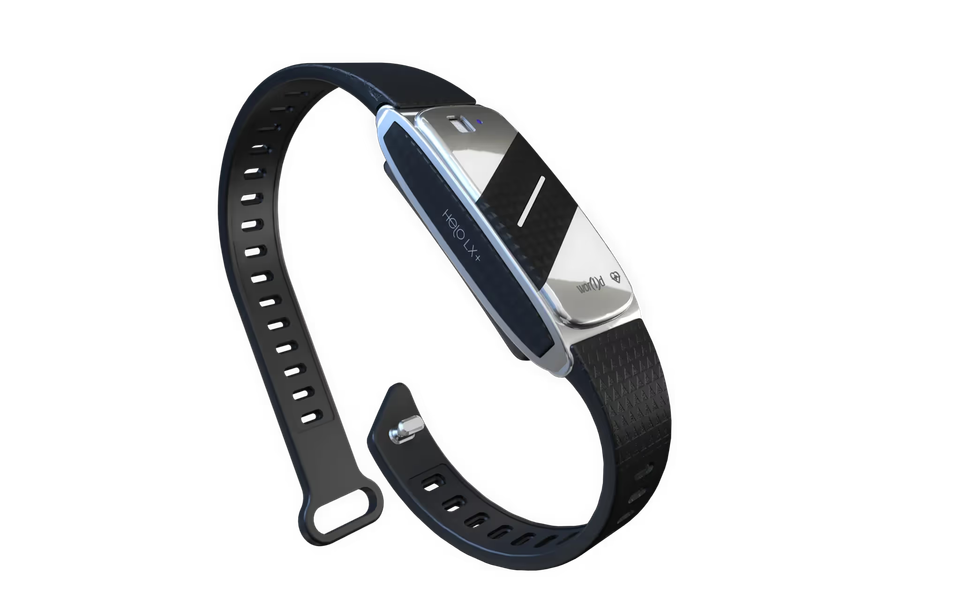
Smartwatch concept design in 2012 meant imagining a personal wearable before its market and technology were fully mature. Our iWatch2 2012 concept explored that possibility through intuitive controls, minimal aesthetics, ergonomic form and forward-looking interaction ideas.
Created for Concept by ADR Studio, the project proposed a possible evolution of wearable technology. It was a concept, not a claim about a finished commercial product. Its purpose was to give an emerging category a considered direction: simple in appearance, functional in intent and elegant in proportion.
Seen as a showreel, the story moves from an open question to a coherent object. What could a next-generation personal wearable become? The answer takes shape through the relationship between form, control and interface. This is a reading of that design logic, from initial intent to finished concept.
What did smartwatch concept design in 2012 explore?
The starting point was a category still taking shape. Before mainstream adoption, a smartwatch concept could explore more than an expected set of features. It could ask what kind of relationship a wearable should have with the person using it.
For iWatch2, that meant bringing together ideas that needed to work as one: intuitive interaction, a minimal visual language and a form considered for the body. None could carry the concept alone. A restrained exterior would mean little if the interaction felt difficult. An interesting interface would remain incomplete without an appropriate physical form.
The ambition was to make the proposal feel both timeless and ahead of its time. Those aims create a useful tension. One asks for restraint. The other asks for imagination. The design story sits between them.
Where does the design story begin?
Everything starts from a dot. Here, the beginning is a question rather than a specification: how could a personal wearable feel simple while suggesting possibilities beyond the technology of its moment?
That question gives the presentation its first movement. Before focusing on the finished object, it helps to understand the choices the concept needed to hold together. The starting point is not decoration. It is a set of relationships.
- Form and body: consider the wearable as an object that must relate to its wearer.
- Control and clarity: make intuitive use central to the interaction idea.
- Restraint and possibility: suggest a future direction without making visual complexity the subject.
- Proportion and function: treat elegance as part of a coherent product proposal.
These relationships provide a way to read the concept from its underlying idea through to its final expression. They also keep the story focused on design decisions rather than novelty alone.
How does minimal form support the idea?
In iWatch2, minimal aesthetics were part of the brief for a future wearable. The aim was not simply to make the object look reduced. It was to combine a clear visual language with function and elegant proportions.
For the showreel narrative, this is where attention moves towards the object itself. Proportion becomes a way of understanding the proposal. The relationship between the overall form and the interaction concept matters more than an isolated visual gesture.
Ergonomic form factors were another part of that exploration. A wearable is not only something to look at. Its intended relationship with the body belongs in the design thinking from the beginning. That does not establish tested comfort or production readiness. It identifies what the concept set out to consider.
The craft lies in holding these concerns together. Simplicity, function and proportion are not separate finishing touches. They shape the same object.
How can an interface anticipate future use?
The interface thinking looked ahead. Anticipatory UI ideas and intuitive controls helped frame what a next-generation wearable might be, rather than limiting the concept to an already settled market expectation.
There is an important distinction here. Exploring future interaction does not mean proving that every idea is technically ready. A concept makes a direction visible. It creates something that can be considered, questioned and developed further.
In this story, the interface is therefore not an extra layer placed over the form. It is part of the product proposition. The physical object suggests how a wearable could belong on the body; the interaction design explores how it could become useful to its wearer.
Systems, not styles. The value of that principle is clear in a project like this: appearance, control and use need a shared logic. A future-facing object becomes more meaningful when those parts support one another.
What does the finished concept bring into focus?
The final movement of the presentation brings the strands together. iWatch2 proposes a smartwatch that balances simplicity, function and elegant proportions. Its identity comes from that balance, rather than from a claim to predict exactly what the category would become.
Looking back at a 2012 concept can invite comparisons with later products. But hindsight is not the only useful lens. The project is also a record of an early creative question: what might wearable technology become when minimal form and forward-looking interaction are developed together?
For ADR Studio, iWatch2 demonstrated an ability to envision international product trends early. It also offered a reference for future creative explorations in wearable interfaces. That is the role of this kind of work: to turn an emerging possibility into a design direction that can inform further thinking.
Key takeaways.
- iWatch2 2012 explored a possible wearable future before mainstream adoption.
- The concept connected minimal aesthetics with intuitive controls and anticipatory interface ideas.
- Ergonomic form and elegant proportions helped frame the relationship between object, function and wearer.
- Its contribution was a creative direction for further exploration, not a proven commercial outcome.
FAQ.
What is the iWatch2 2012 project?
It is a conceptual smartwatch design created for Concept by ADR Studio in 2012. It explored a possible evolution of personal wearable technology through simplicity, function, elegant proportions and forward-looking interaction design.
Was iWatch2 a production-ready smartwatch?
The project is presented as a concept. Its purpose was to imagine a next-generation wearable before the market and technology were fully mature. Production readiness, tested performance and commercial results are not established by the project information.
Why revisit this wearable concept today?
It offers a clear example of early thinking about wearable form and interaction. Revisited as a design story, it shows how a concept can connect emerging possibilities with a coherent product idea and inform future creative exploration.