 By Antonio De Rosa, ADR Studio.
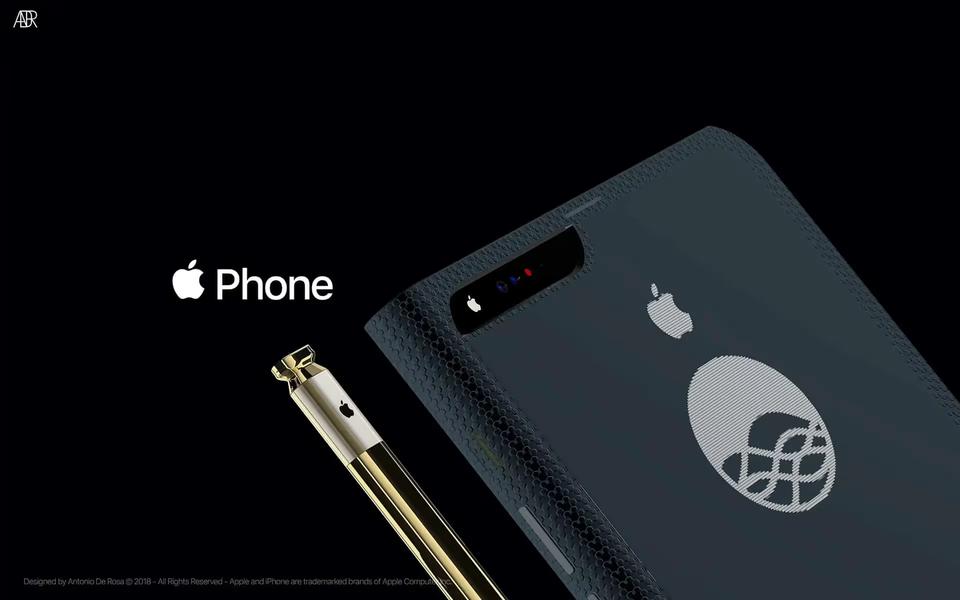
Apple Phone concept design explores a different smartphone identity through distinctive proportions and refreshed interfaces, while keeping simplicity, elegance and intuitive use in view. Our 2018 concept considers how a future device can feel different in form yet familiar in use.
Revisiting the work today, that balance remains the point. The project imagined another chapter for the iPhone, looking beyond existing product lines without abandoning the qualities associated with Apple products. It was an exploration of possibility, rather than a statement about what Apple would make next.
What was the idea behind Apple Phone concept design?
The brief brought two ambitions together. One was to explore new forms and ways of interacting with a smartphone. The other was to preserve a clear connection to simplicity, elegance and intuitive use. Neither ambition could stand alone without changing the character of the concept.
A device that only looked different would leave the interaction question unanswered. An interface refresh without a corresponding change in form would explore only part of the opportunity. Apple Phone considered both as parts of the same identity.
That makes the project more than a styling exercise. Its subject was the relationship between physical presence and digital behaviour: how a phone presents itself, how its interface communicates, and how those two expressions can belong together.
The context matters here. This was ADR Studio’s concept work from 2018. Looking back should not turn it into a prediction or assign it influence that has not been established. Its value lies in the alternative it proposed and the design questions that alternative makes visible.
How can a smartphone feel futuristic and familiar?
Familiarity does not have to mean repeating a shape. It can come from a clear relationship between what a person sees and what they understand they can do. That distinction creates room to explore different proportions without treating usability as an afterthought.
The Apple Phone concept paired its distinctive proportions with refreshed interface elements and a bold visual language. Those choices supported the ambition to move beyond existing designs. Simplicity, elegance and intuitive use provided the counterweight: reasons to keep the exploration coherent rather than merely unusual.
There is a useful tension in that approach. A concept needs enough difference to open a conversation. It also needs enough continuity for that conversation to be about a plausible experience, not just an unfamiliar object.
- Form creates distinction. Proportions can change the character of a device before an interface is considered.
- Interface creates understanding. Refreshed visual elements still need a clear purpose within the experience.
- Shared principles create coherence. Simplicity and intuitive use can guide both physical and digital decisions.
These are design intentions, not measured outcomes. The supplied project description establishes the direction of the concept, but it does not establish how people responded to it in testing.
Where does the craft sit in a phone concept?
For this project, the craft is in the relationship between proportions, interface language and overall expression. Each contributes to the same question: does the device suggest a different mobile future while retaining a recognisable sense of clarity?
Proportion is not a neutral choice. It affects how an object is read visually and how its parts relate. In Apple Phone, distinctive proportions were part of the concept’s identity. They gave the form exploration a role beyond providing a backdrop for the screen.
The refreshed interface elements carried a related responsibility. A new visual language can signal change, but it also has to support the ambition of intuitive use. The relevant question is not simply whether an element looks new. It is whether the interface and the object appear to follow compatible rules.
Systems, not styles. That principle is useful when reading the work today. The form and interface should be considered together, rather than judged as separate visual treatments. A bold exterior and a refined interface are meaningful when their differences contribute to one clear direction.
The available description does not specify materials, hardware engineering or production methods. Those details should not be filled in retrospectively. The craft we can discuss is the design relationship the concept explores, not a manufacturing story the record does not provide.
What still holds today?
The enduring question is how to introduce change without making understanding harder. It applies whenever a product gains a different form, a revised interface or a new identity. Visible difference may attract attention. It does not, on its own, explain how a product should work.
Apple Phone remains a useful prompt because its ambition was not to choose between future-facing design and familiarity. It held both in the brief. That asks more of a design than novelty alone: every departure needs to sit alongside a reason for continuity.
For teams reviewing a concept today, the same questions remain practical. What should change? What should remain recognisable? Which principles connect the object to its interface? Asking these questions keeps the discussion focused on the proposed experience rather than personal preferences about appearance.
Concept work also creates room to consider alternatives beyond an existing product line. It can make a possible direction concrete enough to discuss without presenting it as a finished product. Apple Phone was intended to open that conversation around mobile design.
Our reading today is grounded in that purpose. The project does not need to have predicted a later device to remain relevant. It offers a way to examine how identity can evolve while core values stay legible.
Key takeaways.
- ADR Studio’s 2018 Apple Phone was a concept exploring an alternative smartphone identity.
- Distinctive proportions and refreshed interface elements supported a future-facing visual direction.
- Simplicity, elegance and intuitive use were intended to preserve familiarity through change.
- The lasting question is how form and interface can evolve together without losing clarity.
FAQ.
What is ADR Studio’s Apple Phone concept?
Apple Phone is a smartphone concept by ADR Studio from 2018. It reimagines a future identity for Apple’s phone through distinctive proportions, refreshed interface elements and a bold visual language, while retaining simplicity, elegance and intuitive use as guiding values.
Was Apple Phone an announced Apple product?
The project is presented as ADR Studio concept work, not an announced Apple product. It explores design possibilities beyond existing product lines. It should not be read as evidence of Apple’s plans or as a specification for a production device.
Why revisit a smartphone concept from 2018?
Its central tension remains relevant: how to make a device feel different without losing familiarity. Revisiting Apple Phone allows us to discuss that balance through form, interface and identity, without claiming commercial results or treating the concept as a forecast.