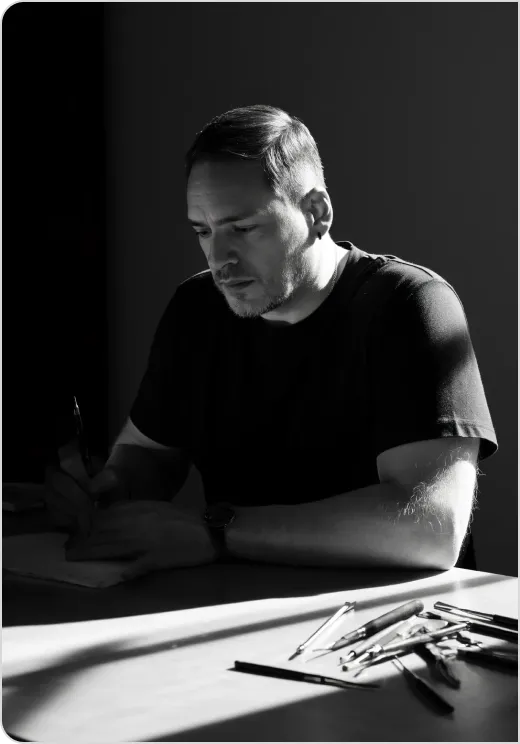
 By Antonio De Rosa, ADR Studio.
For ALL360, personal cloud product design starts with everyday utility, then connects the device, dashboard and website through one design language. In 2026, our work for ALL brings that approach to an edge computing platform built around ALL360 01 and ALL OS.
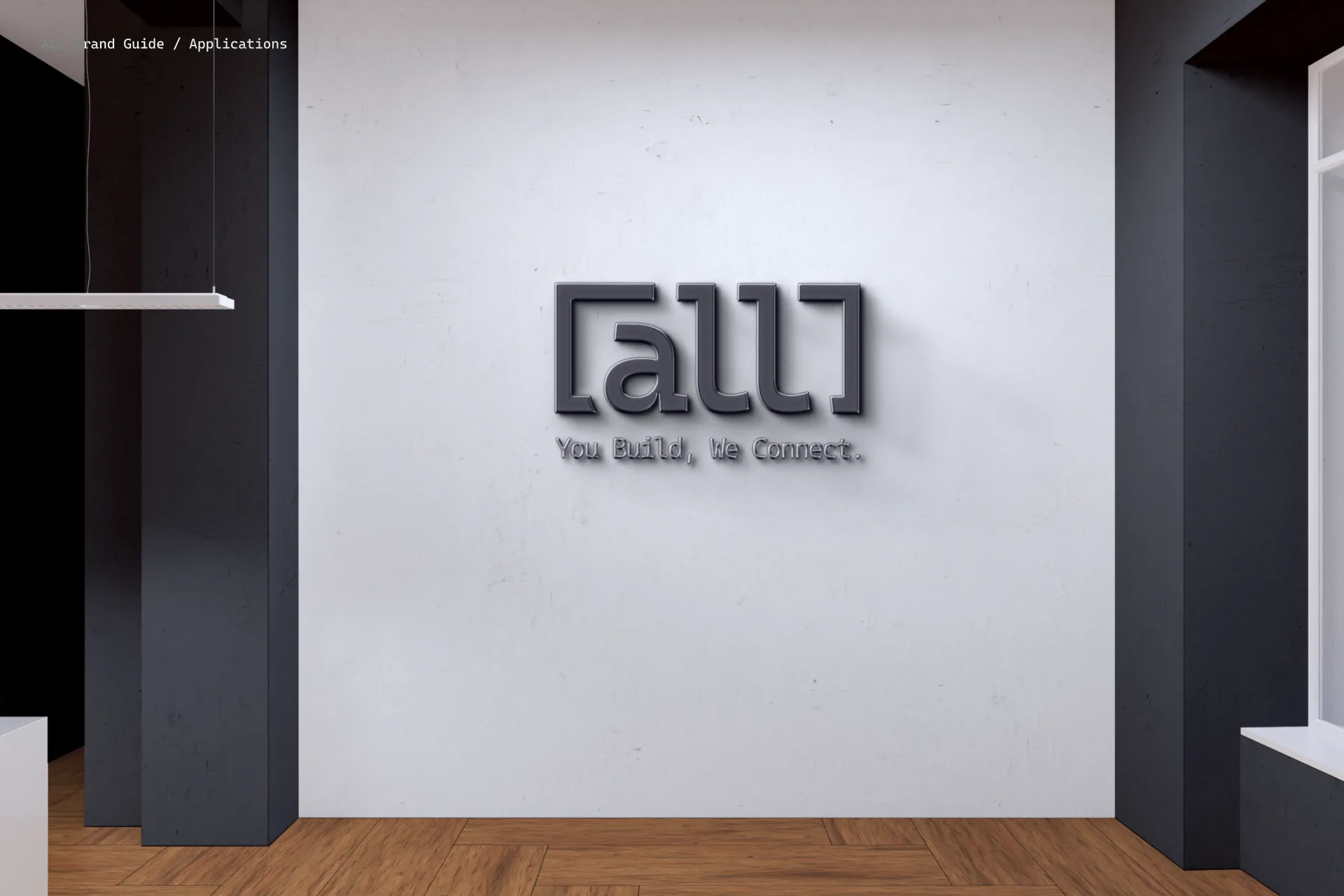
The brief spans design, brand and digital product. It includes the brand system, website, Node Console dashboard, ALL Glass UI design system, product imagery, and marketing and communication plan. The challenge is to make complex decentralized infrastructure understandable and desirable for non-technical people, within strict constraints on how value is communicated.
Where does personal cloud product design begin?
Not with the hardware. ALL360 combines a compact home node with ALL OS, a multi-app operating system that turns it into a personal cloud. That relationship gives the project its starting point: the person and the everyday utility of the product. The network comes second.
This is a decision about sequence, not about hiding complexity. Leading with infrastructure would ask people to understand the network before understanding why the product belongs in their lives. Leading with the personal cloud gives the technical explanation a clear purpose.
Read as a showreel, the opening frame is therefore an idea rather than a device reveal. What does this mean for the person using it? That question guides the work across brand, interface and communication. Everything starts from a dot. Here, that dot is a human point of view.
How does one design language connect the ecosystem?
The design language brings together Sora, JetBrains Mono and Inter, floating glass components and real photography. It connects the website, dashboard and device without treating them as identical surfaces. Each has a different role, but all need to feel part of the same product.
The craft lies in that relationship. Typography, interface components and imagery cannot work as separate visual decisions. Together, they must carry the same understanding of ALL360, whether someone is encountering the platform for the first time or entering the Node Console.
Real photography sits alongside the glass components, bringing an everyday visual reference into a technical product story. The glass language provides continuity across digital experiences. Neither needs to tell the whole story alone. Their value comes from working together.
Systems, not styles. The aim is not simply to repeat a visual effect. It is to establish a design language that can move between explanation, operation and product identity without losing its character.
What changes as the website takes shape?
The website develops through multiple iterations. Its role is to introduce the personal cloud, explain the relationship between ALL360 01 and ALL OS, and place the wider network in context. The challenge is to give these elements a clear order rather than equal emphasis.
A making-of view of this work is about the relationship between message and form. What leads? What needs further explanation? How does the visual language support the product story? These are the decisions that matter beyond the appearance of an individual page.
The website also has to work within strict regulatory constraints on value communication. Clarity is therefore part of the brief, not a final editing pass. Everyday utility leads the narrative, while the language around value stays within the boundaries set for the project.
How does the Node Console carry the idea into use?
The Node Console is the dashboard for node operators. Where the website introduces ALL360, the console supports a different relationship with it: operating a node. The brand must remain recognisable, but the interface has its own job to do.
It is built on a dedicated glass design system, ALL Glass UI. This makes the interface language a defined part of the engagement, rather than a visual treatment applied only to the website. The dashboard belongs to the same ecosystem while addressing the needs of its own context.
In a showreel sequence, this is the transition from presentation to operation. The same project moves from explaining a personal cloud to providing the dashboard for its node operators. The continuity matters, but so does the distinction between those two tasks.
Where does the ALL360 01 device fit?
ALL360 01 is the hardware around which the platform is built. Its product identity and imagery form part of the wider design engagement. The device is not presented as a separate object with a separate story. It belongs with ALL OS, the website and the dashboard.
That connection gives the hardware a clear place in the narrative. It is a compact home node that becomes a personal cloud through ALL OS. The object and the operating system need to be understood together, rather than as unrelated parts of a technical specification.
The finished concept is therefore more than a device image. It is the relationship between the physical product and its digital environment. Moving from device to dashboard should continue the story, not start it again.
How does the design extend into communication?
The engagement includes an integrated marketing, communication and events plan. This extends the same central idea beyond the product surfaces. Personal cloud and everyday utility remain the lead; the network provides the supporting context.
Across the scope, each part has a distinct responsibility:
- The brand system gives ALL360 a shared identity.
- The website introduces the platform and its purpose.
- The Node Console provides the dashboard for node operators.
- Product identity and imagery connect ALL360 01 to the ecosystem.
- The marketing, communication and events plan carries the story outward.
Regulatory constraints remain part of that work. Desirability cannot depend on saying more than the brief allows. The design task is to communicate the product clearly and coherently within those limits.
What comes together for pre-launch?
ALL now has a coherent ecosystem, from device to dashboard, ready for its world pre-launch. This is the point at which the individual workstreams can be read as one project: brand, digital product, hardware identity and communication.
The closing frame is not a claim about adoption or performance. It is a connected view of what has been designed. A personal cloud leads the story. A shared language holds it together. The infrastructure has a place within that story, without becoming the starting point.
Key takeaways.
- Start with the person and everyday utility, then explain the network.
- Connect website, dashboard and device through one design language.
- Give each surface a clear role within the shared system.
- Treat regulatory constraints as part of communication from the outset.
FAQ.
What is ALL360?
ALL360 is an edge computing platform built around the ALL360 01 device and ALL OS. Its multi-app operating system turns a compact home node into a personal cloud.
What does ADR Studio lead for ALL360?
ADR Studio leads design, brand and digital product. The scope includes the website, Node Console, ALL Glass UI, hardware product identity, product imagery, and the marketing, communication and events plan.
What connects the website, dashboard and device?
A shared design language connects them through Sora, JetBrains Mono and Inter, floating glass components and real photography. Each surface has a distinct purpose within the same ecosystem.