 By Antonio De Rosa, ADR Studio.
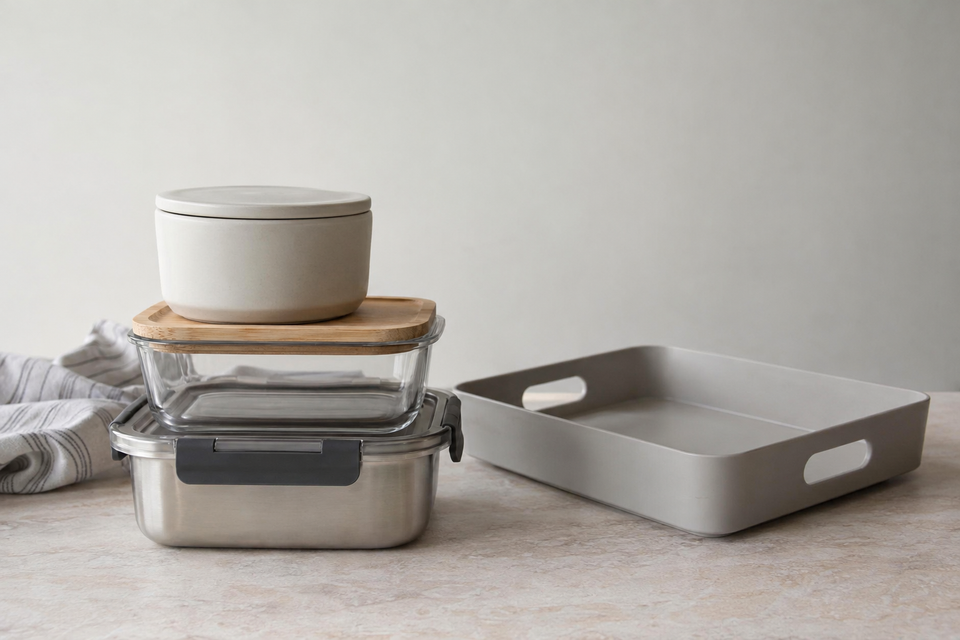
Packaging design for reuse needs a rethink because a durable container only works when people can return it and businesses can use it again. The design task includes the object, the return journey and the operating model.
That distinction matters as packaging policy and retail experimentation move reuse beyond a simple material choice. Europe's Packaging and Packaging Waste Regulation has put waste prevention, recyclability and reuse firmly on the design agenda. Its requirements differ by packaging category and arrive in stages. It is not a blanket instruction to make every pack refillable.
For brands, the direction deserves attention. Packaging cannot be judged only at the point of purchase. It also needs to be understood through what happens after use.
What is changing in packaging design for reuse?
Much packaging development has focused on the object: reduce its weight, change its material or remove a component that complicates recycling. These remain useful decisions. Reuse introduces a different brief.
A pack intended to circulate must survive handling, cleaning, storage and repeated contact with customers. It must also fit a system that collects it, checks it and puts it back into service.
Refill-at-home products, in-store refill stations and returnable takeaway containers approach this challenge differently. They should not be treated as interchangeable solutions. Each assigns work to different people and requires different infrastructure.
At ADR Studio, our view is straightforward: design the next use before refining the first impression. A distinctive container with no practical return route is an incomplete proposition.
Why is a reusable pack a service decision?
Single-use packaging usually asks the customer to buy, open and dispose of it. Reusable packaging can add several decisions. Should the container be washed? Where should it go? Is a deposit refundable? What happens if the lid is missing?
Each unanswered question adds friction. The customer may keep the pack in a cupboard, put it in a recycling bin or abandon the scheme altogether. The material can remain technically reusable while the service fails to bring it back.
That is why the service journey belongs in the design brief from the start. A practical brief should answer:
- Where does the customer encounter the return instruction?
- Can the pack be returned during an existing routine?
- Who accepts, stores, cleans and checks returned units?
- How are deposits, damaged items and missing parts handled?
- What happens when a return point is unavailable?
These are not details to resolve after launch. They determine the shape of the product, the information it carries and the cost of keeping it in circulation.
Can shared packaging still build a distinctive brand?
Reuse creates tension between brand expression and operational consistency. A custom shape may stand out on a shelf but complicate stacking, washing or collection. A shared format may work across several businesses but leave less room for structural distinction.
Our position is not that every brand should use the same container. It is that every unique feature should earn its place. If a bespoke closure makes cleaning difficult without improving use, it is adding work rather than value.
Identity can live in proportion, colour, surface treatment and clear information. Where removable labels are used, their removal needs to be considered alongside durability during use. Decoration should support the circulation model, not quietly obstruct it.
Systems, not styles. This does not mean anonymous design. It means building recognition within constraints that allow the product to function. Consistent service can itself become part of a brand's identity.
How should brands communicate reuse?
The first communication task is instruction, not persuasion. People need to know what to do, where to do it and what to expect in return. A broad environmental promise cannot replace that information.
Instructions should appear where decisions happen: on the pack, near the point of sale and at the return location. Digital guidance can add detail, but basic participation should not depend on finding a website or creating an account.
Language also needs precision. Reusable does not mean the same thing as recyclable. A refill pouch does not automatically make the whole proposition low-waste. Claims should describe the actual system and its boundaries.
Wear deserves attention too. A returned container may show scratches while remaining fit for use. Brands need an agreed standard for acceptable wear, supported by inspection and cleaning. Design can help distinguish expected ageing from damage, but it cannot compensate for inadequate hygiene controls.
What should a reuse pilot measure?
A launch can generate attention without demonstrating that a reuse system works. The useful evidence comes from observing repeated cycles, including the quiet operational problems that rarely appear in campaign imagery.
Teams should track return behaviour, loss, breakage, cleaning requirements and staff time. Customer research should explore why people do not return a pack, not only why early participants like the idea.
Environmental assessment needs the same discipline. Material choice alone cannot establish the outcome. Manufacturing, transport, washing, actual reuse cycles and end-of-life treatment all matter. A heavier container is not automatically justified by its potential lifespan.
Start with a defined setting where the return journey can be tested. A workplace dining service, for example, has different collection conditions from a takeaway business serving occasional visitors. Evidence from one should not be assumed to apply to the other.
Strategy, design and operations need to work together throughout that test. The aim is not to prove the first concept right. It is to find a system that customers can use and teams can maintain.
Key takeaways.
- Design the return journey alongside the container, not after it.
- Use shared formats where they reduce operational friction, while preserving clear brand recognition.
- Make participation instructions specific and visible at the moment of action.
- Assess real circulation and environmental impacts rather than relying on durability claims.
FAQ.
What is the difference between reusable and refillable packaging?
Reusable packaging is designed for multiple uses within an appropriate system. Refillable packaging is replenished with product, either by the customer or a service provider. The terms overlap, but the responsibilities for collection, cleaning and refilling can differ substantially.
Is reusable packaging always environmentally preferable?
No. The outcome depends on factors including production, transport, cleaning, losses and how many times the pack is actually used. A credible comparison needs a defined alternative and evidence about operating conditions, not just a comparison of materials.
Where should a brand begin with reusable packaging?
Begin with a specific use case and map the full journey after purchase. Establish who owns each step, then prototype the pack and return service together. Test with customers and operational staff before committing to a wider rollout.