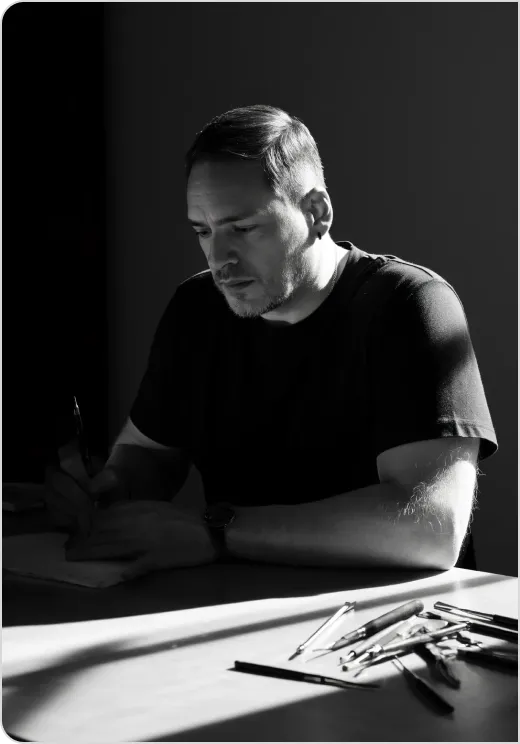
 By Antonio De Rosa, ADR Studio.
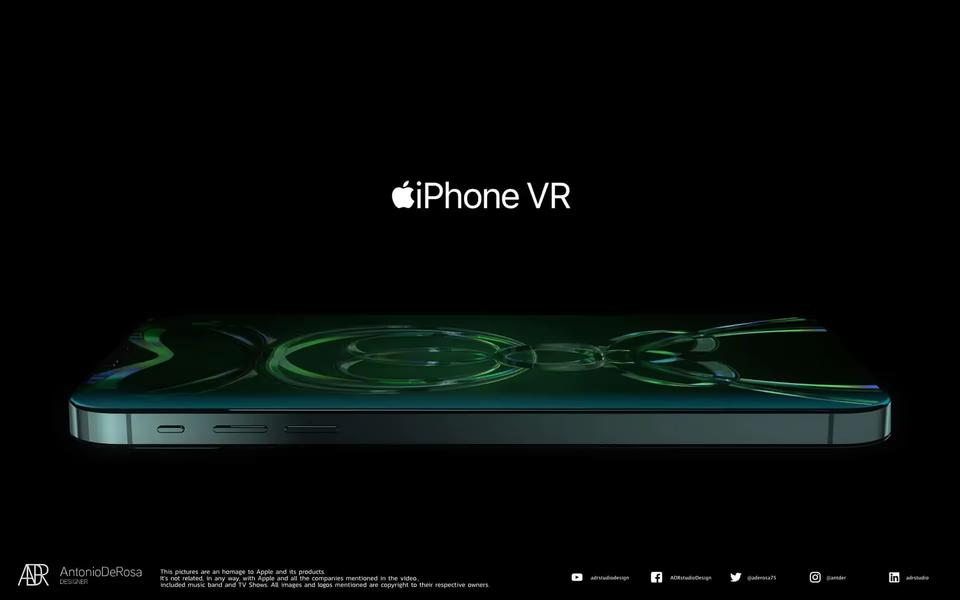
Our 2022 Apple iPhone VR explores immersive mobile concept design by bringing smartphone functionality and lightweight virtual reality interaction into one idea. It considers how familiar mobile content could extend beyond a screen without relying on a traditional bulky headset.
This is a conceptual project by ADR Studio, not a released device. Its story follows a design question through physical form, interface and ecosystem: what could happen when the phone becomes a personal portal into an immersive environment?
Where does the iPhone VR story begin?
Everything starts from a dot. Here, that starting point is a relationship: the connection between a familiar mobile device and an experience that reaches beyond its screen.
The brief brings two intentions together. Keep the usefulness of a smartphone. Explore the possibilities of lightweight virtual reality interaction. Neither intention should disappear into the other.
That tension gives the concept its direction. A phone offers a recognisable point of contact. An immersive environment asks us to think beyond a flat display. The design challenge is to connect those conditions without making the experience harder to understand.
The making-of story therefore begins before the silhouette. It begins with what the device is meant to make possible.
What shapes immersive mobile concept design?
The central idea is not simply to place a virtual reality interface beside smartphone functions. It is to consider how hardware and software could work together as an immersive mobile system.
In the iPhone VR concept, the device becomes a potential personal portal for mixed-reality engagement. That changes the role of the physical object. It still needs to make sense as a mobile device, while supporting an experience that is not confined to its surface.
We can read the project through four connected layers:
- Context. Smartphone functionality provides the familiar foundation.
- Form. Sleek physical design supports the ambition for lightweight interaction.
- Interface. A user-centred approach gives the immersive experience its direction.
- Ecosystem. The device and interaction model are considered together.
These layers give the concept a structure. The object matters, but its meaning comes from the experience it proposes.
How does the idea become a physical concept?
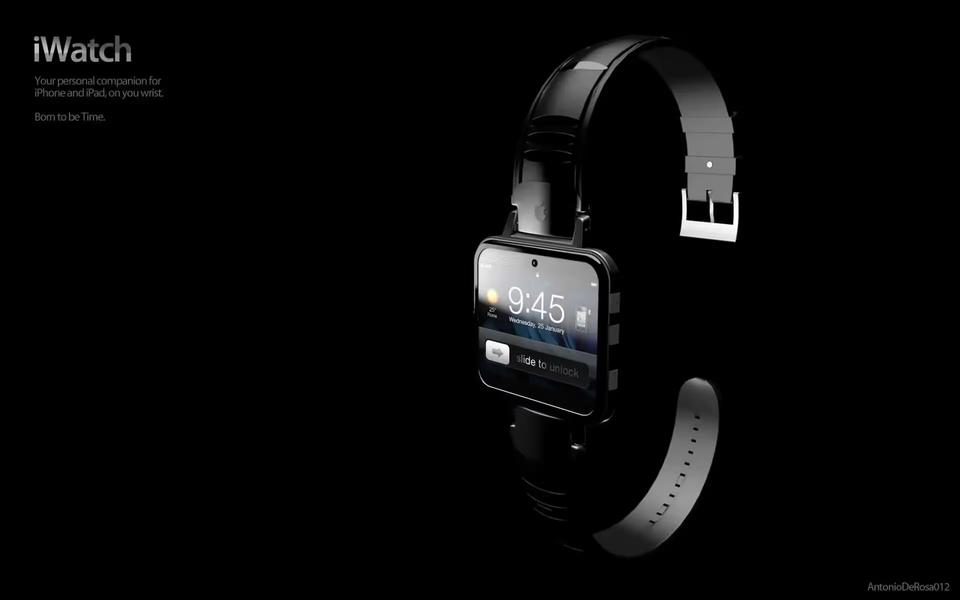
In a making-of narrative, the move from an initial idea towards a finished form is where an abstract intention becomes something we can examine. For iPhone VR, the physical ambition is clear: a sleek mobile device associated with lightweight virtual reality interaction.
That ambition sets up a useful contrast with the traditional bulky headset. The concept asks whether immersive engagement could take a different physical form, closer to the mobile object already at the centre of the idea.
The craft question is about alignment. Does the physical design communicate the same ease that the interaction model seeks? Does the object feel connected to its proposed role?
The finished concept presents a direction, not proof of a working engineering solution. Its form makes the question visible.
What happens when mobile content moves beyond the screen?
The interface carries the next part of the story. The brief asks for an interaction model that intelligently adapts mobile content into immersive environments while maintaining ease of use.
That is different from treating immersion as an additional visual effect. The design question concerns the relationship between content, environment and person. What should remain familiar? What needs to change when the experience is no longer understood only through a screen?
Those questions help explain the concept’s user-centred direction. Immersion is the possibility being explored. Ease of use remains the condition against which that possibility should be considered.
The project does not establish a specific adaptation mechanism. It proposes a relationship between smartphone software and virtual reality principles, leaving room to examine how that relationship could develop.
Why consider an ecosystem rather than one object?
A device alone cannot explain the whole proposal. The brief includes both a device ecosystem and an interaction model because the physical and digital sides need a shared logic.
Systems, not styles. In this context, that means looking beyond the appearance of a future-facing phone. The important relationship is between what the hardware suggests, what the interface offers and how mobile content could become immersive.
Thinking in systems also keeps the concept focused. A sleek form cannot stand in for a clear experience. An immersive interface cannot, by itself, explain how someone would relate to the device.
The ecosystem perspective holds those questions together. It gives the project a wider frame without requiring claims about a finished product or a commercial outcome.
How does the finished concept bring the story together?
Read as a showreel, the project has a clear progression: the mobile starting point, the physical proposition, the immersive interface and the relationship between them.
The final concept combines sleek physical design with a user-centred virtual reality interface. Its purpose is to show a potential pathway for mobile mixed-reality and virtual reality experiences, rather than present a confirmed product roadmap.
That distinction matters. Concept work gives an emerging idea enough form to be discussed. It allows us to consider what belongs together, what remains unresolved and where further design work would be needed.
For ADR Studio, iPhone VR expresses a forward-looking approach to mobile interaction. The story ends with a proposition: the phone could become more than a screen, while ease of use remains central to its design.
Key takeaways.
- Apple iPhone VR is a 2022 conceptual design by ADR Studio, not a released device.
- The project connects smartphone functionality with lightweight virtual reality interaction.
- Its brief considers physical design, software, content adaptation and an interaction model as one system.
- The finished concept explores a potential direction for mobile MR/VR without claiming a proven technical solution.
FAQ.
What is ADR Studio’s Apple iPhone VR concept?
It is a 2022 conceptual design exploring how a smartphone could become a personal portal for immersive experiences. The proposal combines sleek physical design with a user-centred virtual reality interface.
Does iPhone VR require a traditional bulky headset?
The concept explores an alternative to traditional bulky headsets through lightweight virtual reality interaction. It expresses that design ambition, rather than demonstrating a validated hardware implementation.
What does the concept suggest about mobile MR and VR?
It suggests that mobile immersion should be considered across hardware, software and interaction together. The central challenge is adapting mobile content into immersive environments while keeping the experience intuitive and easy to use.